Egg Freezing: A Thoughtful Guide to Preserving Your Fertility
Maybe you’re not ready to have a baby right now, but the question of “someday” sits quietly in the back of your mind. Perhaps you’re focused on your career, you haven’t met the right partner, you’re facing a medical treatment that could affect your fertility, or you simply want to keep your options open. Whatever your reason, if you’ve been curious about egg freezing, you’re asking a smart and forward-thinking question. Understanding how it works can help you decide when the best time to pursue this would be based on your life today, and your goals for tomorrow.
What Is Egg Freezing?
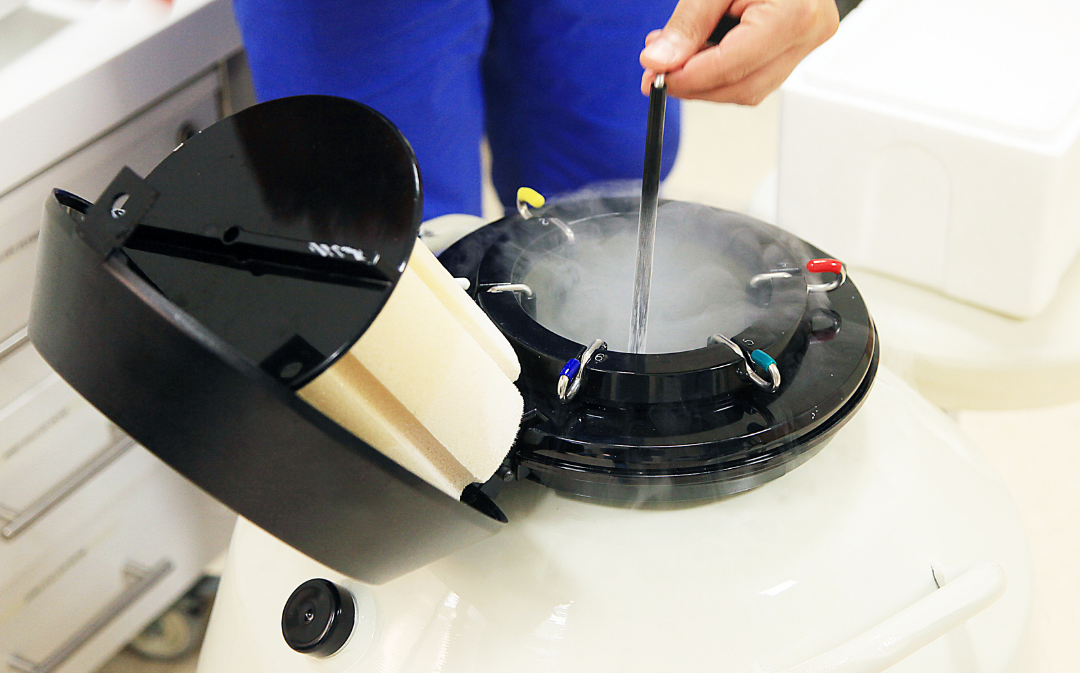
Egg freezing, known medically as oocyte cryopreservation, is a way to preserve your eggs at their current age so they can potentially be used later. During the process, your eggs are carefully collected, frozen, and stored. When you’re ready to try for a pregnancy, they can be thawed, fertilized with sperm in a lab, and transferred to your uterus as an embryo. In essence, egg freezing lets you set aside younger eggs today, thereby giving your future self more successful fertility options, since egg quality and quantity naturally decline with age.
Who Might Consider It?
There’s no single “right” reason to freeze your eggs. Some people choose it because they want more time before starting a family. Others are about to undergo medical treatments, such as chemotherapy, that may affect their fertility, and freezing beforehand can help protect future possibilities. Some have a family history or a health condition that could lead to earlier menopause. And some simply value the reassurance of having a backup plan. Your doctor will evaluate your individual situation, including your age and ovarian reserve, to help you understand what egg freezing may realistically offer you.
How the Process Works
The process usually spans about two weeks and begins with a short period of hormone injections that stimulate your ovaries to mature several eggs at once, rather than the single egg you’d typically release in a cycle. During this time, you’ll have a few monitoring visits with bloodwork and ultrasounds so your care team can track your progress. When your eggs are ready, they’re collected during a brief procedure performed under sedation, so you won’t feel discomfort during it. The eggs are then frozen and stored until you decide to use them.
What to Expect Physically and Emotionally
Most people tolerate egg freezing very well, and it’s normal to experience some bloating, mild cramping, or rarely, temporary mood changes from the hormones. The injections can seem intimidating at first, but most people are surprised by how manageable they become. Emotionally, the experience can bring up a mix of feelings, from empowerment to uncertainty, and that’s completely understandable. Giving yourself grace, leaning on supportive people, and asking your care team plenty of questions can make the journey feel far less overwhelming.
Understanding the Odds and the Limits
It’s important to have realistic expectations. In some cases, you may conceive on your own in the future and not need to use your frozen eggs. However, you still benefit from having these younger eggs frozen as an “insurance policy” to protect your future fertility.
In addition, freezing your eggs does not always guarantee a future pregnancy, since the likelihood of success depends on factors like your age at the time of freezing and how many eggs are retrieved. Universally, younger eggs tend to have better outcomes, which is why timing matters. Your doctor can walk you through what the numbers may look like for your specific circumstances, so you can make a decision grounded in honest, personalized information rather than general averages.
Questions to Ask Before You Decide
Before moving forward, consider asking how many eggs your doctor would aim to freeze, what the process might look like given your ovarian reserve, how long eggs can be stored, and what the costs of storage and future use involve. You might also ask about the realistic chances of a successful pregnancy down the road. A caring fertility team will welcome these questions and help you weigh the emotional, physical, and practical sides so the choice truly feels like yours.
Taking the Next Step With Confidence
Choosing whether to freeze your eggs is a personal decision, and there’s no wrong answer, only the answer that’s right for you. Whether you’re ready to begin or simply want to learn more, gathering information is a powerful act of self-advocacy.
If you’d like to understand your options and what egg freezing could mean for your future, our team is here to guide you with clarity and compassion. Reaching out for a conversation costs you nothing and may give you the peace of mind of knowing exactly where you stand.
You Are Not Alone. Our team is ready to help you!
We will assist you in every possible way to have a positive and successful experience as you proceed along your reproductive journey. Whether you desire a second opinion, or this is your very first visit to a fertility center, you can get started by scheduling an appointment today!

Request Your Appointment!
What our patients are saying

Dr. Qasim and his team are the best. They are very sensitive to their patients' feelings and problems. They helped me throughout the entire process and gave me so much strength when I needed it. My husband and I are currently 12 weeks pregnant, and we are the happiest. Dr. Qasim, thank you so much. May God bless you always.
Grecia C.
We can't express enough how grateful we are for the support and expertise we received from Dr. Rahul Sachdev and his team along our nurse Victoria from the very first consultation he and the team made us feel understood and cared for. They guided us through each step of the process with compassion and professionalism always taking the time to answer our questions and address my concerns.
Navi S.
5 weeks ago I delivered my IVF baby. I can't thank Dr. Sachdev enough for his knowledge and being straight forward with everything. The team was great as well. Thank you for my blessing 💕
Jennifer M.

Edison, NJ
CENTER FOR ADVANCED REPRODUCTIVE MEDICINE & FERTILITY
4 Ethel Rd, Edison, NJ 08817
Princeton, NJ
CENTER FOR ADVANCED REPRODUCTIVE MEDICINE & FERTILITY
114 Stanhope St, Princeton, NJ 08540
Cranford, NJ
CENTER FOR ADVANCED REPRODUCTIVE MEDICINE & FERTILITY
123 N Union Ave #102, Cranford, NJ 07016