PCOS and Fertility: Understanding Your Path to Parenthood
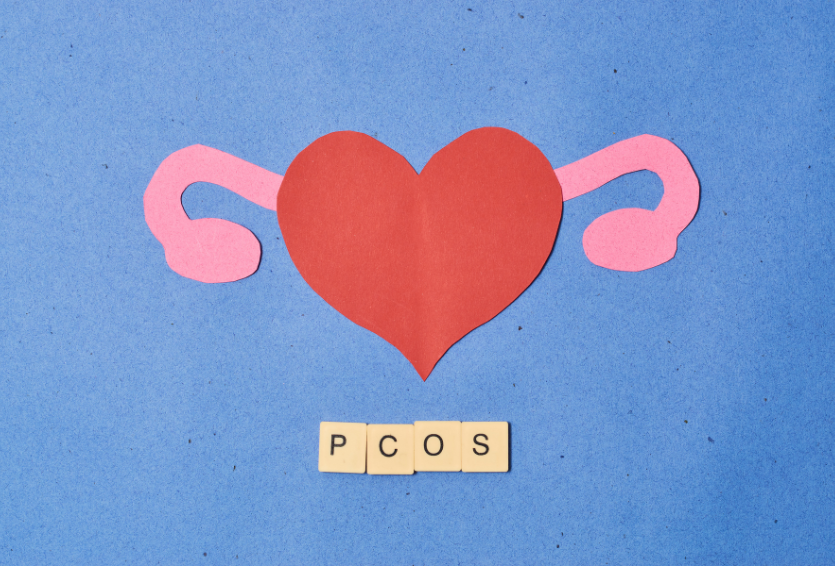
If you’ve been diagnosed with polycystic ovary syndrome; i.e. PCOS — or you suspect you might have it — and you’re hoping to start or grow your family, you may be carrying a mix of worry and questions. PCOS is one of the most common causes of fertility challenges, but here’s something we want you to hear clearly and early: most people with PCOS go on to have uncomplicated, healthy pregnancies. Understanding how the condition affects fertility, and what can be done about it, is a reassuring first step. Let’s walk through it together, in plain language.
What PCOS Actually Is
Despite its name, PCOS isn’t really about cysts in the way most people imagine. It’s a hormonal condition that affects how the ovaries work. In fact, the newest international guidelines have renamed PCOS to PMOS, or Polyendocrine Metabolic Ovarian Syndrome. People with PCOS often have higher levels of certain hormones called androgens, along with irregularities in the signals that tell the ovaries to release an egg.
The “polycystic” part refers to the appearance of the ovaries on ultrasound, where many small follicles may line up like a string of pearls. These aren’t harmful cysts — they’re follicles that haven’t matured and released an egg as they typically would.
How PCOS Affects Fertility
The main way PCOS influences fertility is through disrupting ovulation. In many cases, the hormonal imbalance interrupts the regular release of an egg each month. You might notice this as irregular, infrequent, or absent periods.
Because pregnancy depends on an egg being released and available to meet sperm, unpredictable ovulation can make conception more difficult and harder to time. The encouraging news is that ovulation problems are often among the most treatable causes of infertility.
Recognizing the Signs
PCOS can look different from person to person. Common signs may include irregular menstrual cycles, acne, excess hair growth on the face or body, thinning hair on the scalp, and difficulty managing weight. Some people have many of these signs, while others have only a few.
Because the symptoms overlap with other conditions, your doctor will evaluate your history, do a physical exam, and essentially always order bloodwork and an ultrasound before confirming the diagnosis.
Lifestyle Foundations That May Help
For many people with PCOS, gentle lifestyle steps can make a meaningful difference in restoring more regular ovulation. Balanced eating, limiting carbohydrate intake, regular movement you enjoy, and good sleep can help improve how your body responds to insulin, which is often connected to PCOS.
It’s worth emphasizing that this is about supporting your health, not chasing a number on a scale or being hard on yourself. Even modest, sustainable changes may help in many cases, and your care team can help you find an approach that feels realistic and kind.
Medical Treatments and Options
When lifestyle steps aren’t enough on their own, several medical options can help encourage ovulation. Your doctor may discuss medications designed to prompt the ovaries to release an egg, which are often a first step. Some patients benefit from medications that improve insulin sensitivity.
If these approaches don’t lead to pregnancy, treatments such as intrauterine insemination (IUI) or in vitro fertilization (IVF) are always available as well. Your doctor will evaluate which path fits your body and your goals, and options can be adjusted along the way.
Caring for Your Whole Self
PCOS can affect more than fertility — it can influence mood, energy, and how you feel about your body. Please know that these feelings are valid, and you deserve support for all of them, not just the parts related to conceiving.
Leaning on trusted people, connecting with others who understand, and being patient with yourself are all part of the journey. Emotional wellbeing is a real and important piece of fertility care.
Taking the Next Step With Confidence
A PCOS diagnosis is not the end of your parenthood hopes — for many, it’s the beginning of a clearer, more supported path. With the right evaluation and a plan tailored to you, there is real reason for hope and confidence.
If you’re ready to understand your options or simply want a caring conversation about what PCOS means for your fertility, our team is here for you. Reaching out is a brave and hopeful step, and we would be glad to help you take it.
You Are Not Alone. Our team is ready to help you!
We will assist you in every possible way to have a positive and successful experience as you proceed along your reproductive journey. Whether you desire a second opinion, or this is your very first visit to a fertility center, you can get started by scheduling an appointment today!

Request Your Appointment!
What our patients are saying

Dr. Qasim and his team are the best. They are very sensitive to their patients' feelings and problems. They helped me throughout the entire process and gave me so much strength when I needed it. My husband and I are currently 12 weeks pregnant, and we are the happiest. Dr. Qasim, thank you so much. May God bless you always.
Grecia C.
We can't express enough how grateful we are for the support and expertise we received from Dr. Rahul Sachdev and his team along our nurse Victoria from the very first consultation he and the team made us feel understood and cared for. They guided us through each step of the process with compassion and professionalism always taking the time to answer our questions and address my concerns.
Navi S.
5 weeks ago I delivered my IVF baby. I can't thank Dr. Sachdev enough for his knowledge and being straight forward with everything. The team was great as well. Thank you for my blessing 💕
Jennifer M.

Edison, NJ
CENTER FOR ADVANCED REPRODUCTIVE MEDICINE & FERTILITY
4 Ethel Rd, Edison, NJ 08817
Princeton, NJ
CENTER FOR ADVANCED REPRODUCTIVE MEDICINE & FERTILITY
114 Stanhope St, Princeton, NJ 08540
Cranford, NJ
CENTER FOR ADVANCED REPRODUCTIVE MEDICINE & FERTILITY
123 N Union Ave #102, Cranford, NJ 07016