Preparing the Perfect Environment: How We Optimize Your Uterine Lining for Transfer
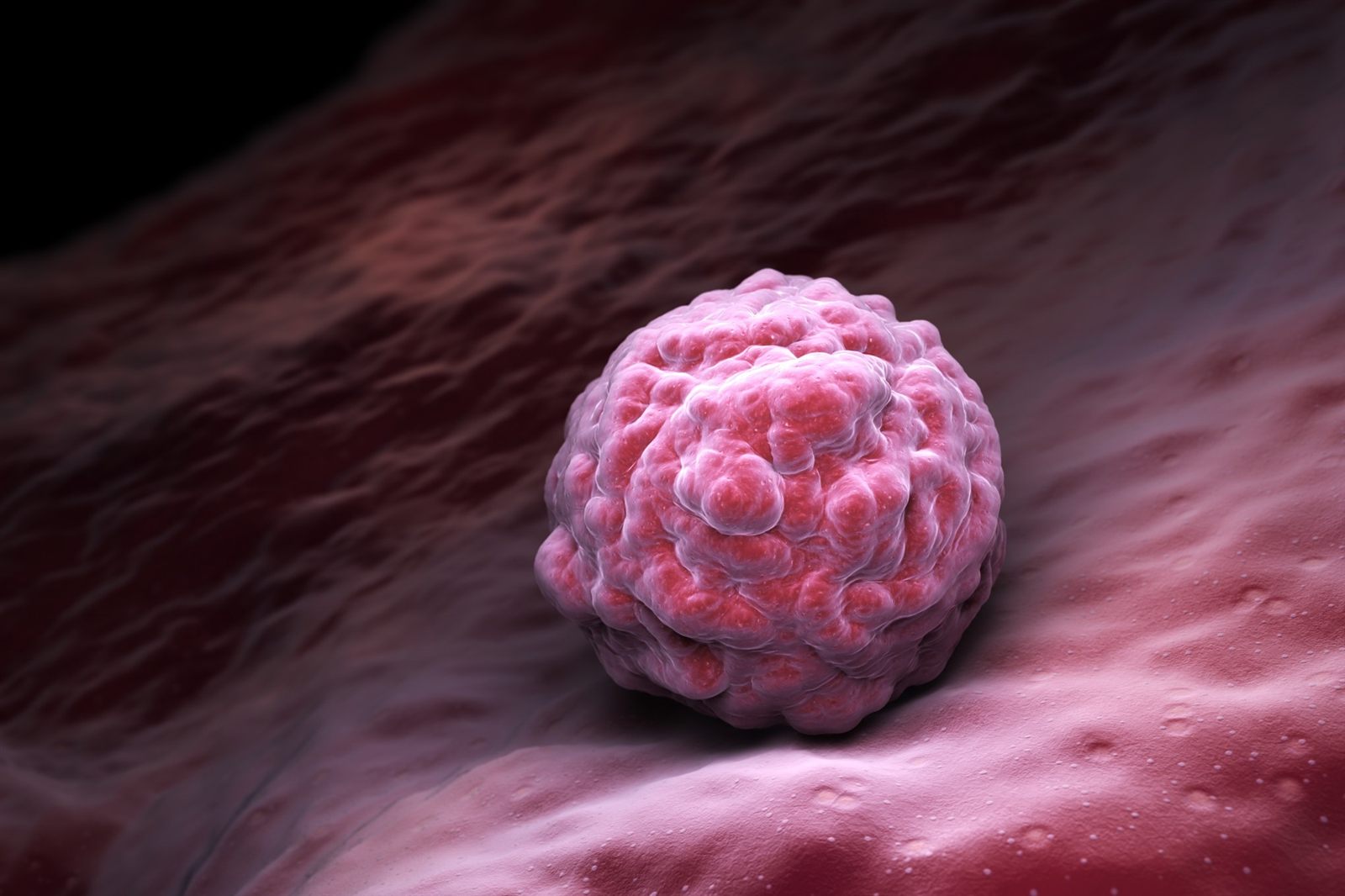
You’ve made it through the egg retrieval, your embryos have grown beautifully in the lab, and now you have frozen blastocysts waiting for you. The hardest part is over, right?
Almost! Before we can confidently transfer your embryo, we have to make sure the environment it’s going into is maximally optimized. In the world of IVF, having a beautiful embryo is only half the equation; the other half is your uterine lining (the endometrium). Here is exactly how our team prepares your uterus to give your embryo the best possible chance to implant and grow.
The Goal: Thickness and Pattern
During your Frozen Embryo Transfer (FET) cycle, you will come in for several blood and ultrasound monitoring appointments. When your doctor is looking at the screen, they are evaluating two main things:
- Thickness: Generally, we want your uterine lining to be at the very least 6 or 7 millimeters thick before we schedule your transfer. A thick lining provides a plush, nutrient-rich cushion for the embryo to nestle into.
- Pattern: Thickness isn’t everything — texture matters, too! We are looking for a “trilaminar” or “triple-line” pattern. On an ultrasound, this looks like three distinct, crisp lines. This pattern tells us the lining has responded beautifully to estrogen and is structurally ready for an embryo. While a trilaminar pattern is desirable, successful implantation can certainly also occur in a non-trilaminar endometrium based on other characteristics such as the smoothness and thickness of the lining.
The Building Blocks: Estrogen and Progesterone
To achieve that optimal lining, we carefully orchestrate your hormones using a specific FET protocol.
Phase 1: The Builder (Estrogen). Estrogen is the hormone responsible for growing the uterine lining. Depending on your specific protocol, you may take estrogen via oral pills, transdermal patches, vaginal supplements, or injections. You’ll be on estrogen for a couple of weeks, and we will monitor your lining’s growth via ultrasound.
Phase 2: The Final Polish (Progesterone). Once your lining has reached the ideal thickness and pattern, we introduce progesterone (usually via intramuscular injections, vaginal supplements, or both). Progesterone stops the lining from growing any thicker and instead matures it, making it sticky and receptive to the embryo. Starting progesterone essentially opens your “window of implantation,” and your embryo transfer will be timed exactly to the day your endometrium is ready for this window.
Making Sure the Coast Is Clear
Sometimes, perfectly good embryos fail to implant because of physical roadblocks inside the uterus. Before you even begin your FET cycle, we often perform a Saline Sonogram (SIS) or a Hysteroscopy.
By flushing the uterus with saline and looking inside with a tiny camera, we can ensure there are no polyps, fibroids, or scar tissue taking up valuable real estate. If we find anything, we can remove it, leaving a smooth, clear cavity for your embryo.
What If My Lining Is Stubborn?
Every body is different, and sometimes a uterine lining just doesn’t want to thicken past 5 or 6 millimeters. If this happens, don’t panic! This is exactly why we monitor you so closely.
If your lining is stubborn, we have a variety of tricks up our sleeves. We might adjust your estrogen dosage, change the delivery method (switching from pills to injections), or recommend supplements like Vitamin E, or even acupuncture, in an attempt to help increase blood flow to the uterus. In some cases, we may cancel the cycle and try a different approach the following month, even considering an Endometrial Receptivity Analysis (ERA) to assess your lining’s “readiness” in cases where its appearance is less than ideal.
Patience is key during a transfer cycle. We will never rush a transfer if the environment isn’t just right. We want to give your embryo the absolute best home possible so that when your transfer day finally arrives, you can arrive at our Center with the utmost confidence.
You Are Not Alone. Our team is ready to help you!
We will assist you in every possible way to have a positive and successful experience as you proceed along your reproductive journey. Whether you desire a second opinion, or this is your very first visit to a fertility center, you can get started by scheduling an appointment today!

Request Your Appointment!
What our patients are saying

Dr. Qasim and his team are the best. They are very sensitive to their patients' feelings and problems. They helped me throughout the entire process and gave me so much strength when I needed it. My husband and I are currently 12 weeks pregnant, and we are the happiest. Dr. Qasim, thank you so much. May God bless you always.
Grecia C.
We can't express enough how grateful we are for the support and expertise we received from Dr. Rahul Sachdev and his team along our nurse Victoria from the very first consultation he and the team made us feel understood and cared for. They guided us through each step of the process with compassion and professionalism always taking the time to answer our questions and address my concerns.
Navi S.
5 weeks ago I delivered my IVF baby. I can't thank Dr. Sachdev enough for his knowledge and being straight forward with everything. The team was great as well. Thank you for my blessing 💕
Jennifer M.

Edison, NJ
CENTER FOR ADVANCED REPRODUCTIVE MEDICINE & FERTILITY
4 Ethel Rd, Edison, NJ 08817
Princeton, NJ
CENTER FOR ADVANCED REPRODUCTIVE MEDICINE & FERTILITY
114 Stanhope St, Princeton, NJ 08540
Cranford, NJ
CENTER FOR ADVANCED REPRODUCTIVE MEDICINE & FERTILITY
123 N Union Ave #102, Cranford, NJ 07016